Common Buzzard vs Red-tailed Hawk: identification by tail band
Common Buzzard vs Red-tailed Hawk: two buteos that should never meet. On a vagrant the underwing and the tail band are what separate them.
Bird identification worked feature by feature: plumage identification through the year, the moult that hides a drake, and the hybrids nobody warns you about.
Most difficult sightings are not rare birds. They are ordinary birds seen in the wrong light, at the wrong angle, or in the wrong month. The confusion species that cost people the most time are common ones, and the reference books tend to show the version that is easiest to draw. Bird identification here works from named features, and plumage identification is treated as something that shifts through the year rather than a fixed picture: a pair of similar species is separated by saying what differs, and by being explicit about which of those differences survive distance, poor light and a bird that will not turn round.
Where two similar species cannot honestly be separated on what was seen, that is recorded as the answer rather than resolved by guesswork. Confusion species are the whole subject of this site, so an unresolved bird is a normal outcome rather than a failure.
Plumage identification is only stable for part of the year. For a few weeks each summer most drakes moult into the duck's colours and cannot fly at all, and juveniles appear at the same time wearing something different again. In those months the features that normally carry an identification stop working, and the answer moves to the parts that do not change: bill colour, leg colour, structure and behaviour.
Hybrid identification is a routine problem on any town lake, and it starts with a distinction most guides skip: with one exception the domestic duck is a Mallard, so a scruffy park bird with white in the wrong places is usually not a hybrid but a Mallard carrying domestic genes. Telling those two categories apart decides whether a bird is a curiosity or worth working out properly.
The site treats plumage identification, moult, hybrid identification and the fieldcraft of getting a usable view as one problem, because in the field they arrive as one problem. Confusion species are easiest to learn about where they are hardest to resolve.
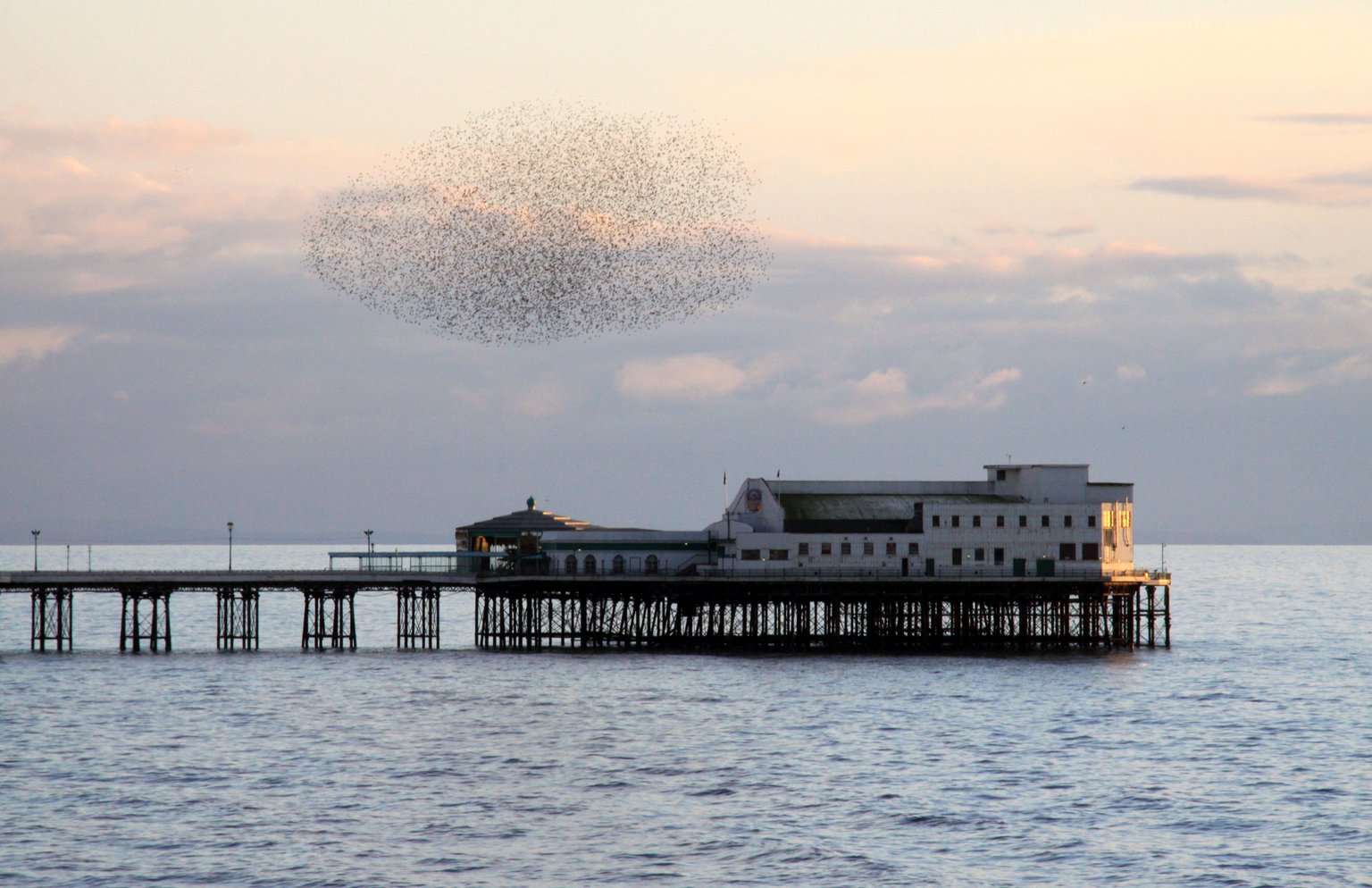
Common Buzzard vs Red-tailed Hawk: two buteos that should never meet. On a vagrant the underwing and the tail band are what separate them.
For a few weeks each summer a drake wears the duck's colours and cannot fly. What eclipse plumage is, when it happens, and how identification survives it.
The Kinangop grasslands hold a habitat found nowhere else, and a bird that lives nowhere else. What the loss looks like, and who has worked against it.
Mallard hybrids, and the birds mistaken for them. How to tell a true cross from a feral domestic duck, and which field marks still mean something.
The odd ducks on every town lake have a name. What a manky mallard is, where the domestic genes come from, and how to tell one from a genuine hybrid.
Skulking birds are not secretive ones, and neither are inconspicuous. What the four words actually describe, and why the difference changes what you do.
A large randomised trial had already shown that culling badgers can spread bovine TB as well as reduce it. The policy proceeded anyway.
Kilometres of mist net along the Mediterranean shore, catching migrants as they make landfall, and the visiting hunters who travel to shoot elsewhere.
Pairs or groups of birds that are regularly mistaken for each other in the field. The term covers genuinely similar species, and also single species whose appearance changes enough through the year to be mistaken for something else.
No. A field guide shows what each species looks like. This site works the other way round, starting from the sightings that do not resolve and asking which features actually separate the candidates under real conditions.
Because it changes. Most male ducks moult into a female-like eclipse plumage in midsummer and are flightless for several weeks, and juveniles of many species appear in a plumage they will not keep. In those months the usual features stop being reliable.
A hybrid is a cross between two species. A feral bird carries domestic ancestry within one species, and since domestic ducks are descended from the Mallard, most odd park ducks fall into the second category rather than the first.
Yes. The identification material is largely Western Palearctic, but the site also covers places, species and conservation reporting from further afield, including East Africa, East Asia and the Mediterranean.
Frequently it is the only honest answer. A view that does not show the diagnostic feature does not support a species name, and recording what was actually seen is more useful than a confident guess.