Bird trapping on the Egyptian coast
Kilometres of mist net along the Mediterranean shore, catching migrants as they make landfall, and the visiting hunters who travel to shoot elsewhere.
Migration across the Mediterranean is dangerous enough without help. Small birds crossing the sea southbound arrive on the North African coast at the end of their reserves, flying low, and drop into the first cover they find.
A line of mist nets along that shore intercepts them precisely there.
The scale
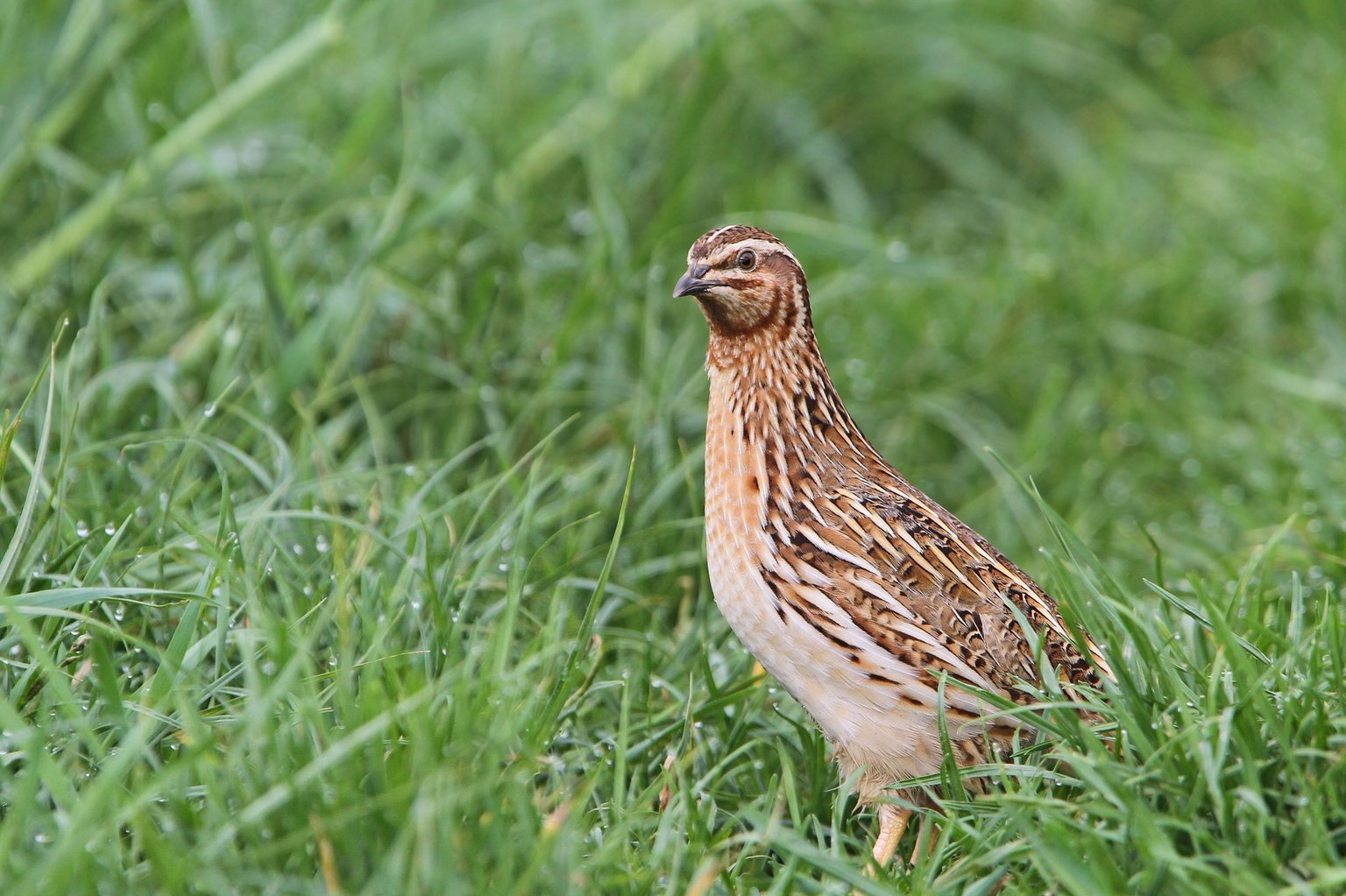
Trapping along the Egyptian Mediterranean coast has been described as an unregulated and unmonitored activity, conducted over long distances of shoreline. Quail are the traditional quarry and the nominal justification, but a mist net does not select: it catches whatever flies into it, and what flies into a net on that coast in autumn is the European migration.
The birds involved are therefore not an Egyptian resource being harvested. They are largely European breeding birds, and losses on the North African coast register as declines on breeding grounds several thousand kilometres away.
Why enforcement is difficult
The obvious response is enforcement, and the obstacles are the usual ones in an amplified form. The coastline is long and the activity is dispersed along it. The nets are cheap and quickly replaced. The economic return matters locally. And the legal position — where some trapping of some species is permitted, creates enough ambiguity that a net line is not self-evidently illegal at a glance.
The practical work has therefore concentrated on establishing the scale first, since a problem that has never been quantified cannot be argued about usefully. Local organisations, including Nature Conservation Egypt, have been central to that.
The travelling hunters
There is a further element that is easy to miss when the issue is treated country by country. Reports have described hunters from Malta travelling abroad to shoot: around the Mediterranean and on occasion considerably further.
That matters for the framing. Illegal killing of migratory birds is regularly discussed as a set of separate national problems, each with its own culture, law and enforcement difficulties. Hunters who travel demonstrate that at least part of it is a single connected activity, and that pressure applied in one jurisdiction can simply relocate.
The flyway view
The underlying point is that a migratory bird is not protected by the strongest law along its route but limited by the weakest. A species can be legally protected on its breeding grounds, its staging areas and its wintering grounds, and still decline steadily because one stretch of coast in between is netted every autumn.
That is why these are treated as international problems under agreements covering migratory species, and why the loss of European breeding birds on the Egyptian shore is not somebody else’s business. The open spring hunting season in Malta is the other half of that picture, at the northern end of the same crossing.
Common questions
What happens on the Egyptian Mediterranean coast?
Mist nets are set along long stretches of the shore to catch migrant birds as they make landfall after crossing the Mediterranean. Quail are the traditional target; in practice the nets take whatever flies into them, in very large numbers.
Why is that stretch of coast so productive for trapping?
Because of where it sits. Birds crossing the Mediterranean southbound arrive exhausted and low, and drop into the first vegetation they reach. A net line along the shore intercepts them at the point of maximum vulnerability.
Is it legal?
Trapping of some species under some conditions has a legal basis, but the activity as practised has been described as effectively unregulated and unmonitored: which means the legal distinctions have limited practical effect on what is caught.
Which species are affected?
Everything on that migration route. Quail are targeted, but the catch includes songbirds, raptors and near-passerines that are protected under Egyptian law and under international agreements.
What is the Malta connection?
Reports have described hunters from Malta travelling to other countries: including Egypt and elsewhere around the Mediterranean, and on occasion further afield: to shoot birds. The practice is significant because it shows the problem is not contained by the jurisdiction where it is most visible.
Does this affect European breeding birds?
Directly. Birds trapped on the North African coast in autumn are largely birds that bred in Europe. Losses there show up as declines in European breeding populations, which is why the issue is not a purely national one.
What can be done about it?
Enforcement is the obvious answer and the hardest. Practical work has focused on documenting the scale, working with local organisations such as Nature Conservation Egypt, and raising the issue through the international agreements that cover migratory species.