Scientific whaling, and what the exemption is for
The Republic of Korea told the IWC it would resume Minke Whale hunting under the research provision. What that clause is, and why it draws criticism.
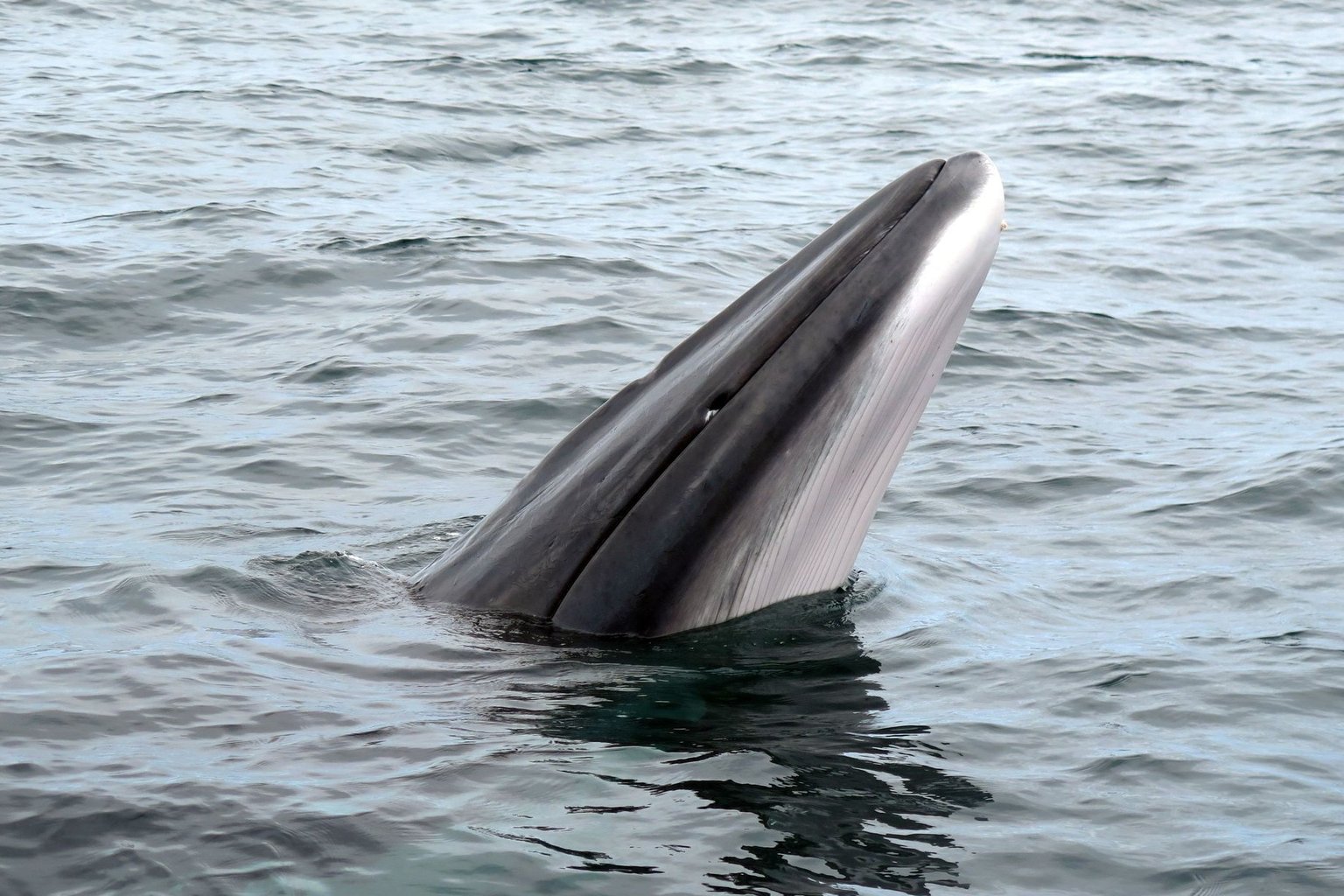
In July 2012, at the International Whaling Commission meeting in Panama City, the Republic of Korea announced that it intended to resume hunting Minke Whales in its own waters, under the convention’s provision for scientific research.
The announcement drew immediate international criticism, and it was not pursued.
The provision itself
Article VIII of the International Convention for the Regulation of Whaling permits a member state to issue permits to take whales for the purposes of scientific research. The important feature is that it is self-authorising: the state issues its own permits, sets its own sample size, and is not required to obtain the commission’s agreement.
That was a reasonable arrangement when the convention was drafted, in a context where whaling was ongoing and the research question was how to manage it. It reads differently under a moratorium, where it constitutes a route around the restriction that any member can take unilaterally.
Why it attracts the objection it does
Two features do most of the work.
The first is that the meat from animals taken under research permits is generally sold. That is permitted under the convention and it means the activity is not straightforwardly distinguishable from commercial whaling in its outputs, whatever its stated purpose.
The second is proportionality of output. Critics have argued that the volume of published research arising from research whaling has been modest relative to the number of animals taken — an argument about whether the sample size is driven by the scientific question or by something else.
The narrowing case for lethal sampling
There are questions about whale biology (some aspects of diet, age structure and reproductive history) that have historically required examining a dead animal.
That set has shrunk considerably. Biopsy darting supplies tissue and genetics from a living whale. Photo-identification tracks individuals over decades. Acoustic monitoring gives distribution and abundance. Faecal and skin sampling answers questions about diet and stress hormones that once required dissection.
The case for lethal methods therefore has to be made for a specific question, not in general, and it is a case that has become steadily harder to make.
The bycatch context
Any assessment of whaling in Korean waters has to account for bycatch, which is substantial. A considerable number of Minke Whales are reported each year as accidental catches in fishing gear, and that meat may lawfully be sold.
That matters for two reasons. It means a supply exists independently of any hunt, which affects the economics of resuming one. And it raises a monitoring question that applies whatever the legal position on hunting: distinguishing an accidental catch from a deliberate one, after the fact, is difficult, and the incentive structure around a saleable animal is not neutral. The same national reporting covers the tidal flats at Incheon and Ganghwa, where an environmental case was also made against a proposal presented as a public good.
Common questions
What was announced?
A return to Minke Whale hunting in Korean waters. The Republic of Korea put it to the International Whaling Commission at its 2012 meeting in Panama City, resting the case on the research exemption, not on any commercial argument.
What is scientific whaling?
Whaling carried out under Article VIII of the 1946 whaling convention, which lets a member state license itself to kill whales for research purposes. Nobody outside that state approves the permit, the sample size or the number of animals taken.
Why is the provision controversial?
Because it functions as an exemption from the moratorium that a state can invoke unilaterally, and because the meat from whales taken under it is generally sold. Critics have argued that the research output has been thin relative to the number of animals taken.
Is lethal sampling ever necessary?
For some questions it has been argued to be, though the range of those questions has narrowed considerably. Biopsy darting, photo-identification, acoustic monitoring and genetic sampling from skin now answer much of what once required a dead animal.
What happened to the Korean proposal?
It attracted immediate and substantial international criticism, and was not pursued.
What is bycatch's role in this?
A significant one in Korean waters, where a considerable number of Minke Whales are reported as accidentally caught in fishing gear each year, and that meat may legally be sold. The scale of that trade is part of the context in which any resumption of hunting is assessed.