Incheon and Ganghwa tidal power: renewable energy against tidal flats
Two proposed tidal power plants at the top of the Yellow Sea, promoted as green infrastructure, would have destroyed internationally important habitat.
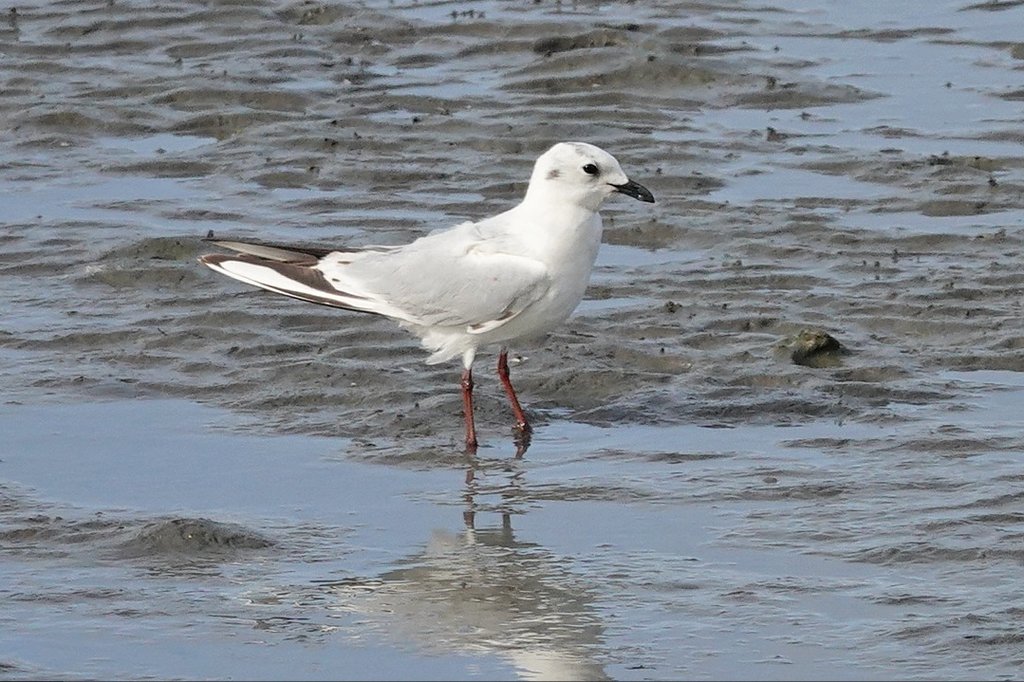
A national programme to expand renewable generation is, in the ordinary case, something conservationists support. The proposals for tidal power plants at Incheon and Ganghwa, on the west coast of the Republic of Korea, were the awkward case: renewable energy schemes whose construction would have destroyed internationally important tidal flats at the top of the Yellow Sea.
Why the siting was the problem
A tidal power scheme of the barrage type works by holding water behind a structure and releasing it through turbines. The consequence for the habitat behind the barrage is not confined to the ground the structure stands on: the tidal range and its timing change, which changes how long the flats are exposed at low water and how sediment is deposited and moved.
Intertidal habitat is defined by those parameters. Shorebirds feed on invertebrates in a zone that exists because the tide uncovers it for a certain period, twice a day, over sediment of a certain character. Change the regime and the zone changes with it — so a scheme can remove a feeding ground without building on a single hectare of it.
This is why the objection was specific, not general. Generating tidal power through sluices in sea walls that already exist has a reasonable case: the damage has been done, and extracting energy from an altered system adds little. Building new barrages across intact tidal flats is a different proposition entirely, and calling both of them green obscures the difference.
The assessment problem
The speed of the wider programme was itself part of the criticism. Large offshore wind developments in the same period were proposed for areas where no formal bird surveys were available, which makes an impact assessment an exercise in assertion.
For a site on the Yellow Sea this matters more than it would elsewhere. The flats there are the staging habitat for shorebirds migrating between Australasia and the Arctic, and their importance is concentrated, not evenly spread: a specific area can hold a large share of a species’ flyway population at a particular point in the season. Establishing whether a given site does that requires survey work at the right time of year, which cannot be compressed to fit a construction timetable.
Green growth and its exceptions
The framing that made these schemes hard to argue against was their designation as part of a green growth strategy. Once a project is classified as environmental infrastructure, opposing it appears to be opposing the transition itself.
The distinction worth insisting on is that renewable energy is a category of technology, not a guarantee about a particular site. A wind farm in the wrong place kills birds; a tidal barrage in the wrong place removes a habitat that took millennia to form. Neither observation is an argument against wind or tidal power in general, and treating it as one is how badly sited schemes get built.
Support for the Incheon and Ganghwa proposals weakened as that case was made. The broader pressure on Yellow Sea tidal flats has not. Those flats, and the route that depends on them, are mapped on the flyway page; the clearest single loss on it is Saemangeum. The same national reporting covers the return to whaling under the research provision, where the argument is again about what an exemption is for.
Common questions
What was proposed at Incheon and Ganghwa?
Tidal power plants on the west coast of the Republic of Korea, at the top of the Yellow Sea, forming part of a national push into renewable generation. Both sites sit on estuarine tidal flats of international importance for migratory shorebirds.
How does a tidal power plant damage a tidal flat?
By changing the tidal regime. A barrage-type scheme alters the range and timing of the tide behind it, which changes how long the flats are exposed and how sediment moves. The intertidal zone that shorebirds feed on depends on exactly those parameters, so altering them removes the habitat whether or not any ground is built on.
Is tidal power not a good thing?
Generally yes, and that is what makes the case difficult. The objection was not to tidal generation but to the siting: there is a reasonable argument for generating power through sluices in sea walls that already exist, and a much weaker one for building new barrages across intact intertidal habitat.
Why do these flats matter so much?
The Yellow Sea is the refuelling point for shorebirds migrating between Australasia and the Arctic. Its tidal flats support a disproportionate share of the flyway's carrying capacity, and reclamation there has already removed a great deal of it.
Were the schemes assessed for their bird impact?
Assessment quality was one of the central criticisms. Offshore wind proposals in the same period were sited in areas with no formal bird surveys available, and the speed of the development programme left limited room for the survey work that a site of this importance warrants.
What happened to the proposals?
Support for both weakened over time as the case against the siting was made. The wider pressure on Yellow Sea tidal flats from reclamation and development has continued, and current status is best checked with Birds Korea and BirdLife International.